
Home › Travel advice
Before you go · checked November 2026
Sri Lanka Travel Advice
When to go, visas and entry, health, safety, money and local customs: the practical answers from our local team.
Best time to travel
A year-round island with two monsoons
Sri Lanka, formerly “Ceylon”, is an island nation in the Indian Ocean. It is blessed with two monsoons that arrive at different times on either side of the island, so there is always somewhere with good weather and you can visit year-round.
West & south coast
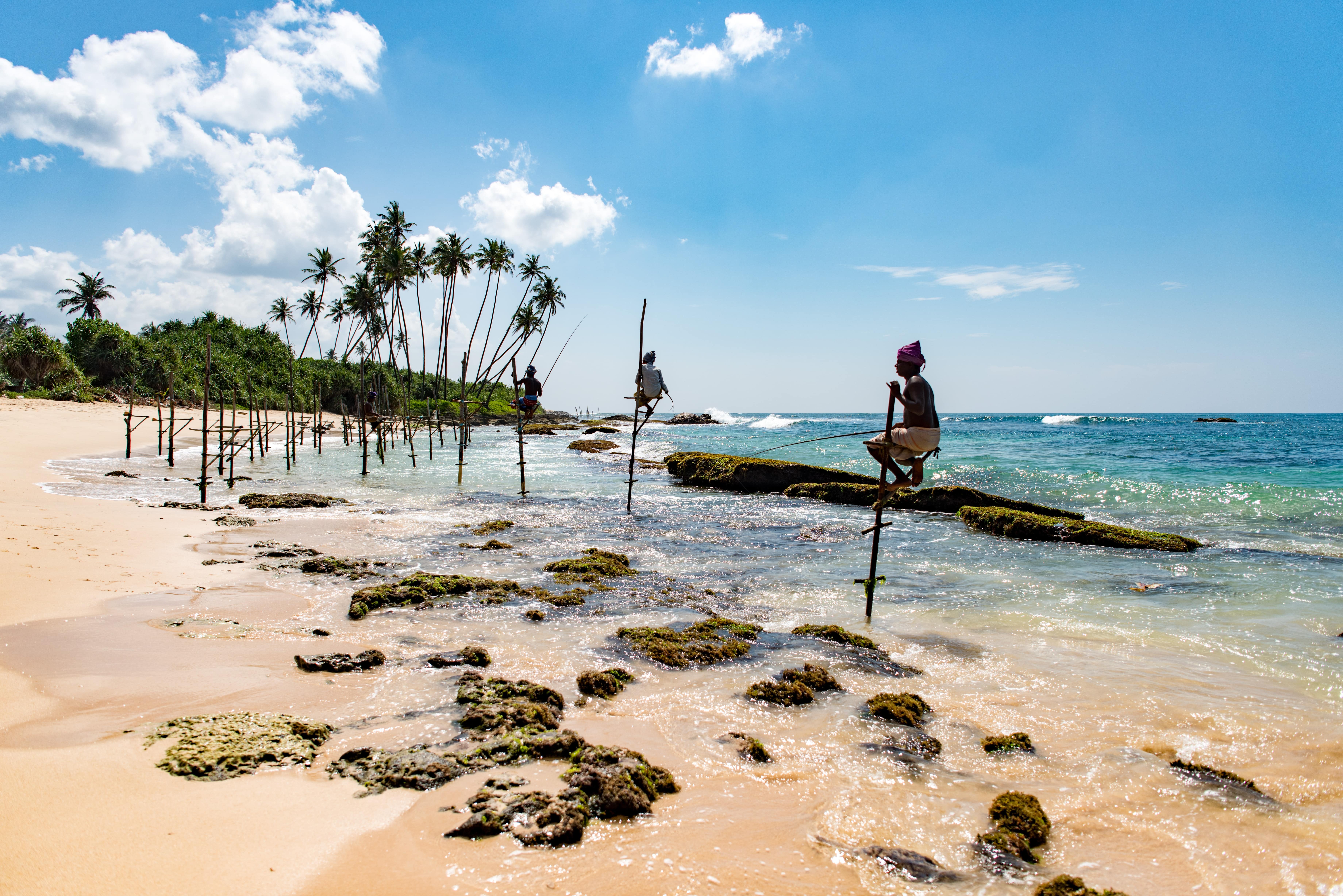
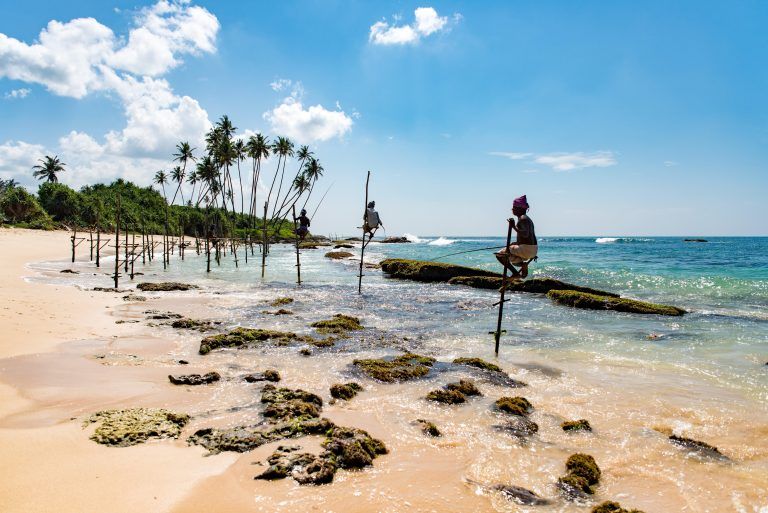
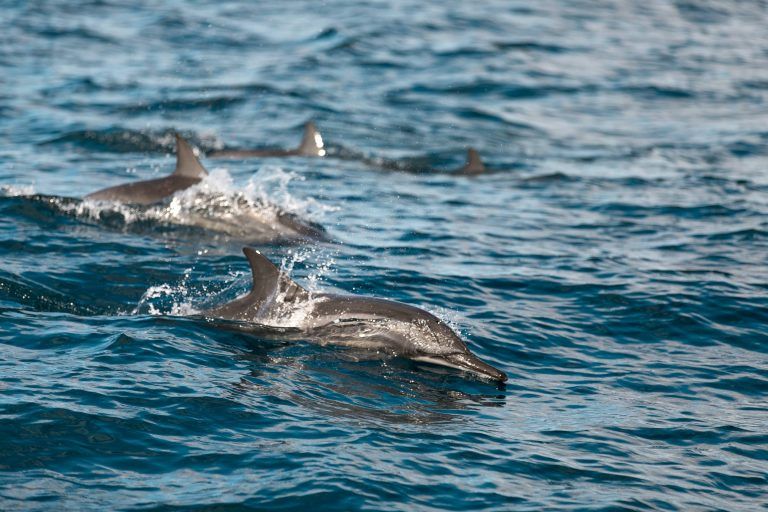
Best December to March, and April is usually good. Sun-kissed beaches, whale and dolphin watching and great sunsets. The south-west monsoon brings rain from May to September.
Hill country
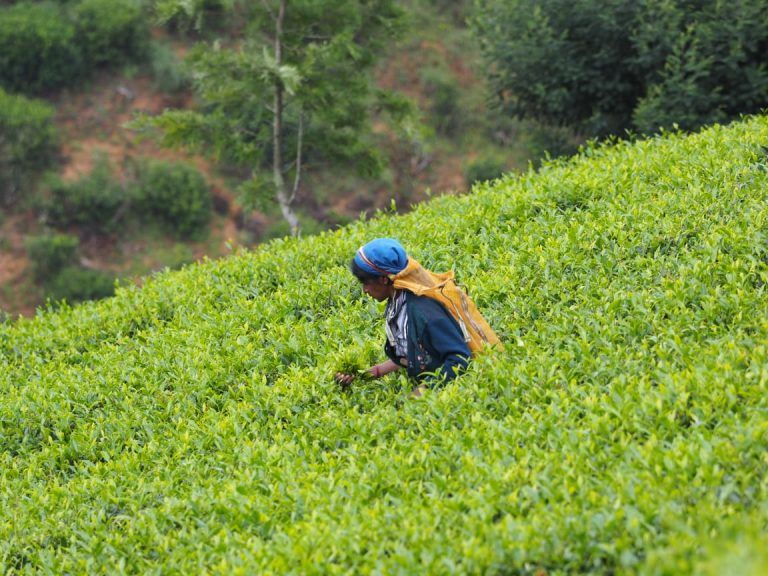
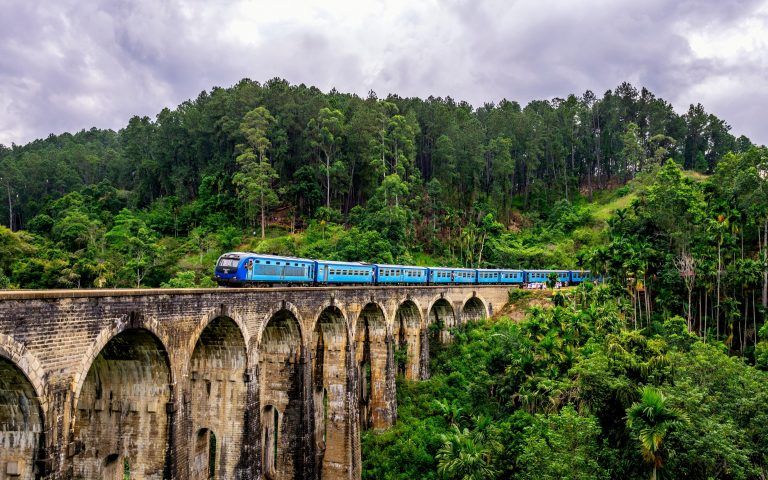
Driest January to March, with the clearest mornings for tea country, the train to Ella and Horton Plains. Cooler all year, so pack a warm layer.
East coast
Best April/May to September, for surfing, snorkelling and swimming in calm blue water while the west has its monsoon.
Planning a trip outside the best months? We route your trip to follow the sun. Ask us what works for your dates.
Calendar highlights
Month by month in Sri Lanka
A uniquely Sri Lankan experience is possible in every month of the year.
January
Visit Sinharaja, a rainforest World Heritage site conserved for its wildlife and plants, some found only in Sri Lanka.
February
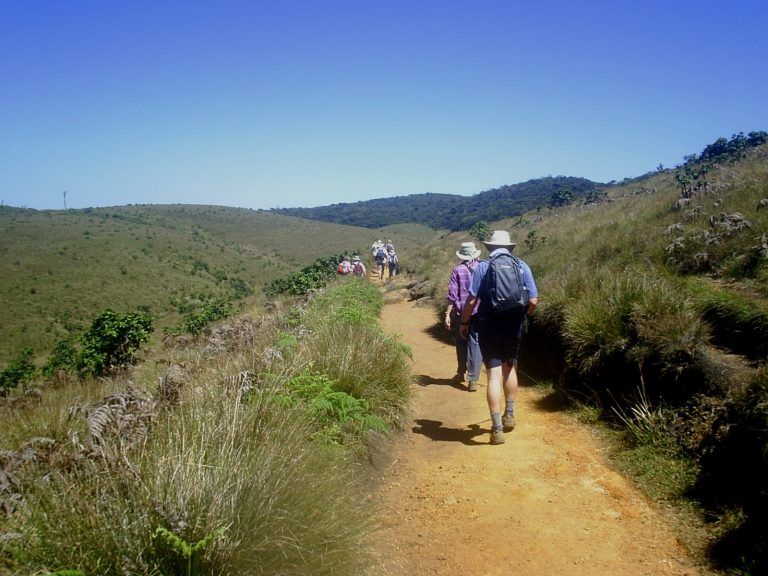
Clear, dry mornings at Horton Plains for the walk to World’s End, with ground frost on the coldest days.
March
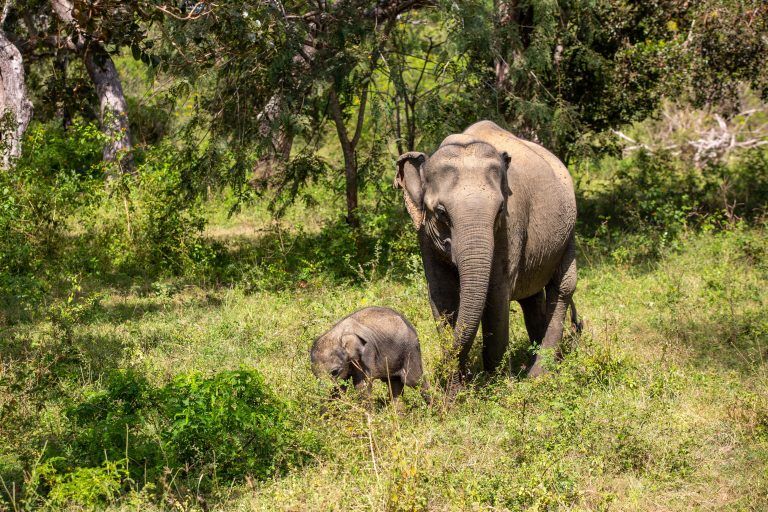
Peak whale watching off the south coast. Combine blue whales at sea with elephants in a national park: two of the world’s largest mammals on one trip.
April
Sinhala and Tamil New Year, with traditional sweets, games and family celebrations across the island.
May
Vesak lanterns light up towns at the May full moon, and the surf season begins at Arugam Bay on the east coast.
June
Head north to Jaffna: dry and warm, with a very different landscape and culture, centuries-old kovils and its own cuisine.
July
The Kataragama festival: fire-walking, Kavadi dancers and pilgrims from across the island.
August
The Kandy Esala Perahera parade of elephants, dancers and drummers, usually in July or August. The elephant Gathering at Minneriya peaks in August and September.
September
Wilpattu National Park in the dry season, when leopards come out to visit watering holes.
October
Elephant herds move to Kaudulla National Park as the season turns, and the cultural sites are quieter.
November
The start of the west-coast season for snorkelling and diving, and the first whale-watching trips from Mirissa.
December
Everything is possible: beaches, hill country and cultural sites are all at their best, with local Christmas and New Year celebrations.
Updated November 2026
Visa & entry requirements
1. Check you qualify
The 30-day tourist ETA is free for 40 countries, including the UK, Australia and most of Europe. See the official visa information page.
2. Apply online
Apply only at eta.gov.lk before you fly. Ignore look-alike sites that charge “service fees”.
3. Travel with approval
Carry your ETA approval and a passport valid for at least 6 months after the day you arrive.
- Every visitor needs an ETA (Electronic Travel Authorisation) before arriving. Wait for approval before you fly; don’t count on getting one at the airport.
- Free since 25 May 2026 for passport holders from 40 countries, including the UK, Australia, New Zealand, Germany, France, the Netherlands, Belgium, Italy, Spain, Switzerland, Austria, Poland and the Nordic countries.
- Staying longer than 30 days? Apply for an extension through Sri Lanka’s Department of Immigration. Overstaying can lead to fines, detention or deportation.
Rules can change at short notice. Always check your own government’s advice before you travel: GOV.UK (UK), Smartraveller (Australia) or your country’s foreign ministry.
Stay well
Health
No malaria
Sri Lanka eliminated malaria in 2016, so antimalarial tablets are not needed.
Dengue: avoid bites
Present year-round. The mosquitoes bite by day, so use repellent and cover up, especially after rain.
Vaccinations
See your doctor or a travel clinic 6 to 8 weeks before you go. UK travellers can check TravelHealthPro. Yellow fever proof is only needed if you arrive from a risk country.
Animals
Rabies is present, so don’t touch stray dogs, cats or monkeys.
Drinking water
Drink boiled, filtered or bottled water rather than tap water.
Travel insurance
Essential, with medical cover. A UK GHIC or EHIC card is not valid in Sri Lanka. We recommend arranging insurance before your trip.
Travel with confidence
Safety & security
Sri Lankans are famously welcoming: curious, smiling and proud of their hospitality. Most visitors have trouble-free trips, and travelling with your own driver and guide makes it easier still.
- Official advice: Australia’s Smartraveller currently advises a “high degree of caution”, the same level it gives France, Thailand and India. Check the latest for your country before you travel.
- Petty crime and touts: keep valuables out of sight in crowds and markets, and politely ignore touts and “beach boys”.
- Women and solo travellers: we recommend a driver or guide, which makes getting around easier and more relaxed.
- LGBTQ+ travellers: Sri Lankans are generally welcoming, but same-sex relations are still technically illegal under Sri Lankan law. We recommend discretion in public, as we do for all couples.
- Water and weather: swim only at recognised beaches; crocodiles live in some rivers and lagoons, and monsoon rain can cause floods and landslides.
Emergency numbers
119
Police emergency
110
Fire and ambulance
1990
Suwa Seriya free ambulance
1912
Sri Lanka Tourism hotline
Respect and etiquette
Local customs & laws
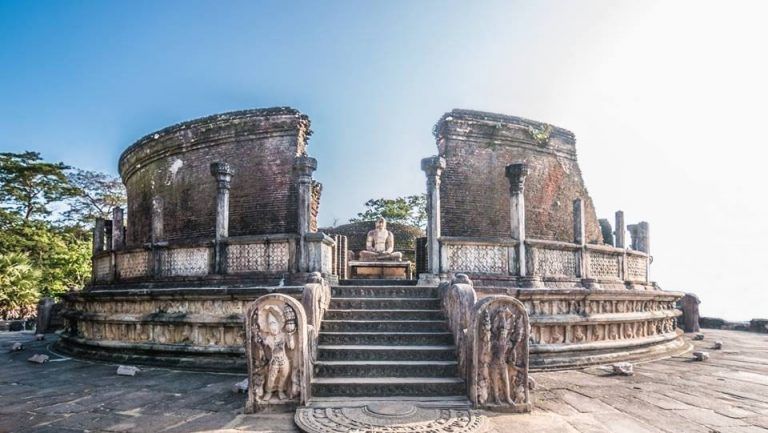
Buddha images are sacred
Visible Buddha tattoos or clothing have led to tourists being refused entry or deported. Never pose with your back to a Buddha statue.
Temple dress
Cover shoulders and knees, and remove your shoes and hat.
Poya days
Every full moon is a public holiday. Alcohol is not sold, and some shops close.
Photography
Ask before photographing people, especially monks. No photos of military sites.
Drones
You need prior approval from the Civil Aviation Authority of Sri Lanka to fly one.
Drugs
Penalties are severe, including long prison sentences.
Cash and cards
Money
Sri Lankan rupee
It is hard to buy before you travel, so use an ATM or change money on arrival.
ATMs
Found in towns across the country. Use machines inside banks or hotels where possible.
Cards
Visa and Mastercard work at most hotels and larger shops. Carry cash for markets and small cafés.
Tipping
Customary for drivers, guides and hotel staff, and not included in our quotes.
Getting around
Transport
Private driver
Roads are good but busy. With a driver you spend more time seeing the country and less on the road. All our trips include a private vehicle with your own driver and guide.
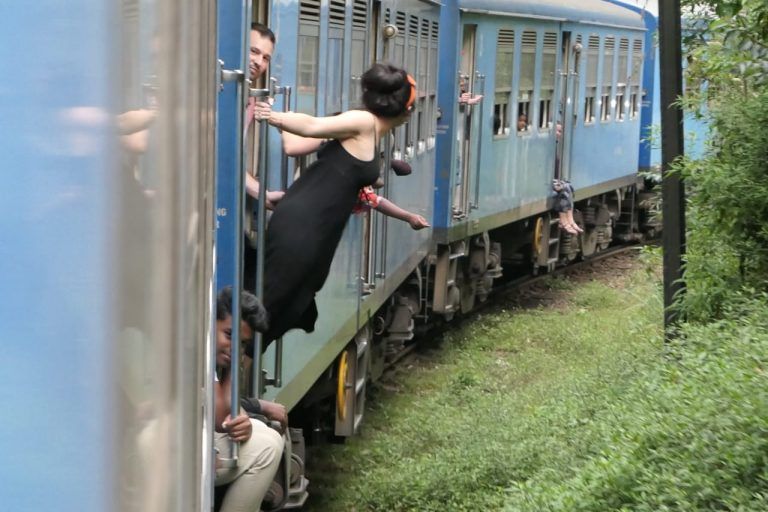
Hill-country train
The Kandy to Ella line is a highlight. Reserved seats sell out early in high season; we arrange train tickets for our guests.
Short trips in Colombo
The Uber and PickMe apps are usually cheaper than airport taxis.
Eat like a local
Food & water
Sri Lankan food is mainly rice-based, served with a mix of spicy vegetable and meat curries. Most hotels serve less spicy dishes and offer Western alternatives. Vegetarian food is easy to find: many Sri Lankans are vegetarian and enjoy a wide range of tropical vegetables, fruits and pulses. Vegan, kosher and halal meals are possible with advance notice to your hotel.
Our best advice: do as the locals do. Sri Lanka’s food has been shaped by many cultures, and exploring it is a journey in itself. To cut down on plastic bottles, bring a reusable bottle and refill it with filtered water at hotels and restaurants.
Be prepared
Packing list
Reusable water bottle
To refill and stay hydrated.
Insect repellent
For daytime mosquitoes.
Sunscreen
Reef-safe if you plan to snorkel.
Walking shoes
For treks, rock climbs and temple steps.
Light raincoat
Tropical showers come and go quickly.
Warm layer
The hill country is cool, especially at night.
Universal adapter
Sri Lanka uses Type D and G sockets.
Light cotton clothes
It is warm and humid on the coast.
Scarf or sarong
To cover shoulders and knees at temples.
This guide is general information, last checked in November 2026. Entry, health and safety rules can change; always check your government’s travel advice before you travel.
Plan your trip
Questions before you book?
Ask our local team anything about travelling in Sri Lanka, or tell us your dates and interests. We reply by email within 24 hours.